Guided by a deep commitment to responsible hospitality, Pearl Farm Beach Resort protects and nurtures the natural and cultural landscapes that define our island home. Recognized through the ASEAN Green Hotel Award, our approach to sustainability is rooted in the belief that extraordinary places must be cared for with intention, respect, and long-term vision.
Sustainability at Pearl Farm extends far beyond the natural habitats that surround the island. By working hand in hand with local farmers, fishers, and artisan communities, we shorten supply chains, reduce transport emissions, and ensure that many of the ingredients and materials we use are responsibly and locally sourced. These partnerships strengthen community livelihoods while preserving the cultural and environmental heritage that shapes the Pearl Farm experience.
Here, sustainability is not a separate initiative. It is the natural rhythm of an island where coral reefs, mangroves, forests, and communities support one another in quiet balance.
Resource stewardship that supports island life
Behind every guest experience lies a quiet discipline that conserves energy, respects water, and carefully manages the resources that arrive on the island. These operational practices ensure that comfort and environmental responsibility exist in harmony.
Energy Efficiency
Across the resort, energy-efficient systems help reduce our environmental footprint while maintaining the comfort expected of a world-class island retreat. Resort-wide LED lighting, high-efficiency equipment, preventive maintenance programs, and smart energy controls work together to ensure that each space operates responsibly and efficiently.
Water Stewardship
On an island, water is a precious resource. Water-saving fixtures throughout guest rooms and public areas, linen and towel reuse programs, and continuous monitoring systems help preserve this vital resource. Wastewater is carefully treated and reused to nourish landscaping, allowing water to return to the island’s gardens and natural spaces.
Responsible Waste Management
Everything that arrives on the island is managed with care. Waste segregation at source, refillable guest amenities, reduced single-use plastics, food waste minimization initiatives, and composting for garden use form part of a broader system designed to minimize the island’s environmental footprint.
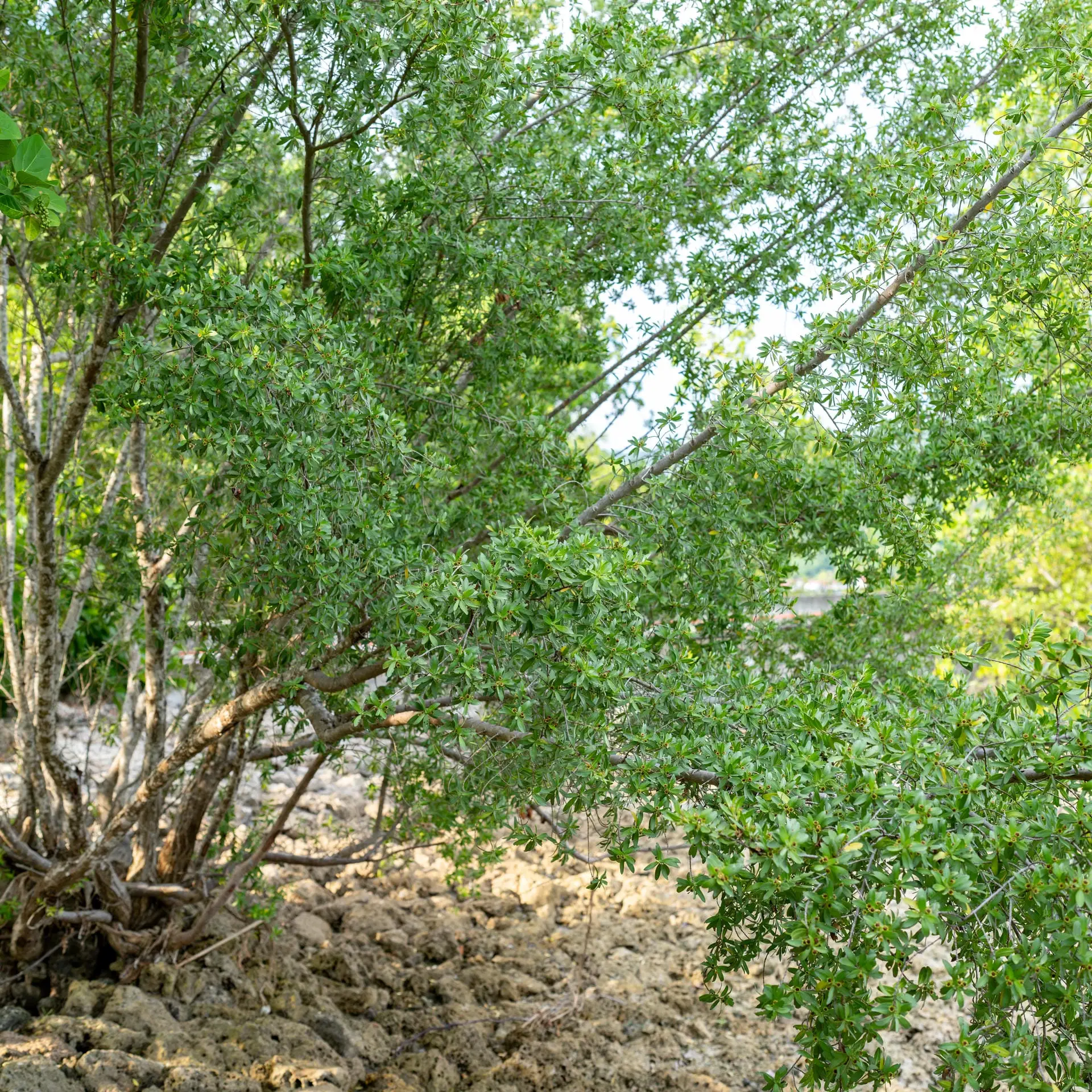
Mangroves act as natural coastal guardians. Their roots stabilize shorelines, protect against erosion, and provide essential nursery grounds for marine life.
Regular coastal clean-ups bring together resort teams, partners, and volunteers to preserve the pristine beauty of Samal Island’s shores.
Responsible diving initiatives such as Scubasurero help remove underwater debris and protect fragile reef environments beneath the surface.
Operational improvements and responsible sourcing practices contribute to reducing transport emissions and overall environmental impact.
Across the resort, initiatives continue to replace disposable plastics with reusable and refillable alternatives.
The green foundation of island resilience
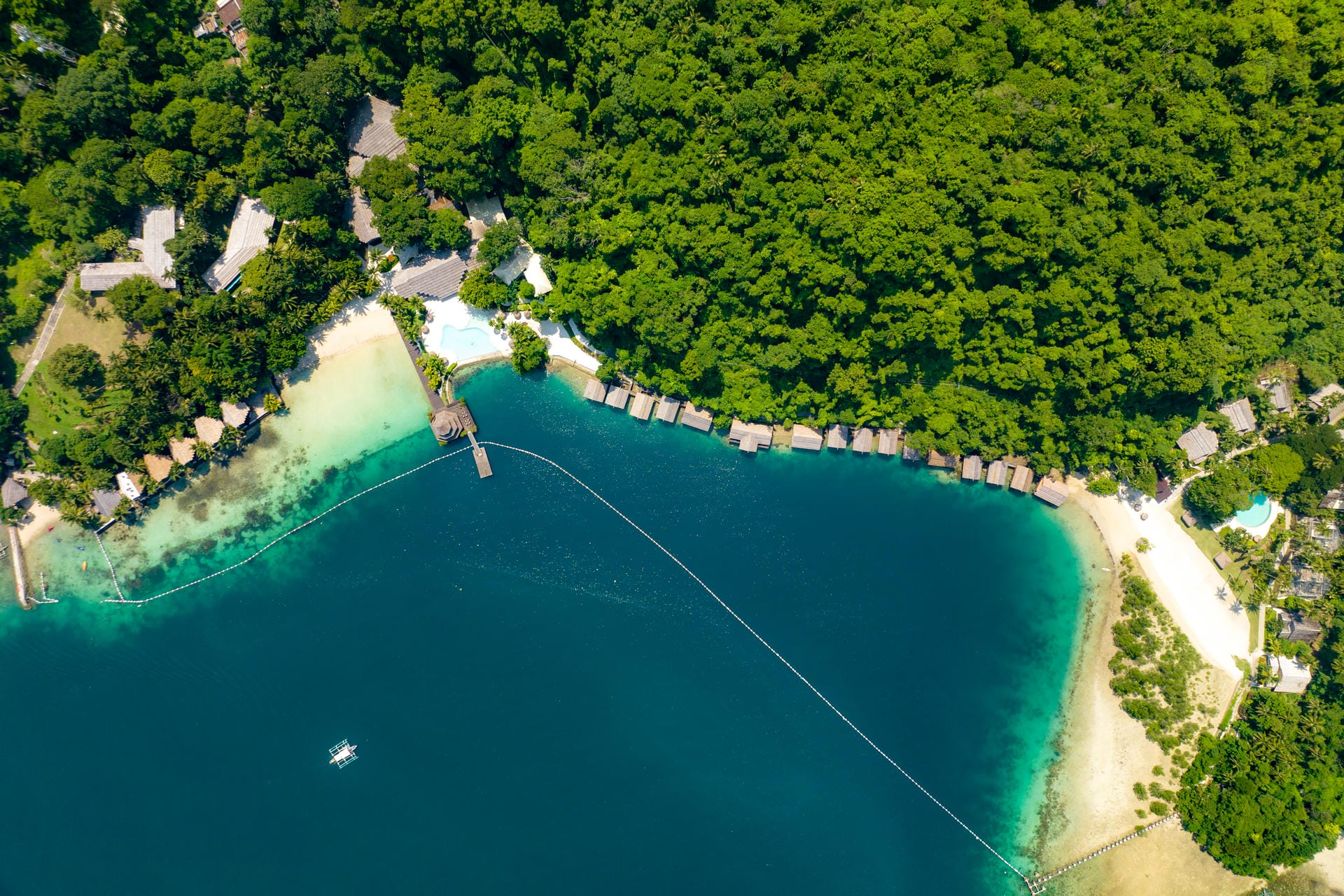
Mature trees are protected across the property, forming a natural canopy that cools the surroundings, reduces the need for artificial energy, and shields the soil from erosion. Their root systems anchor the land, slow rainwater runoff, and allow water to be absorbed naturally back into the ground.
Native and endemic planting reinforces this living landscape, creating habitats for birds, insects, and small island fauna while maintaining the ecological balance that connects the forest to the sea.
These forested areas are not ornamental — they are vital environmental infrastructure that protects the coastline and sustains biodiversity.
Where land and sea protect each other
Along the island’s edge, mangroves are carefully preserved and replanted as natural coastal guardians. Their roots stabilize the shoreline, reduce erosion, and act as buffers against waves and changing tides.
These intertidal forests serve as nurseries for juvenile fish and marine species while filtering sediments and improving water quality — strengthening both the marine sanctuary and the resilience of the island.
Sharing the island with the life that belongs here
From bird species in the treetops to reef fish and seasonal marine visitors, Pearl Farm remains a sanctuary for native wildlife. Habitat protection, regular monitoring with environmental partners, and clear guest awareness guidelines ensure that human presence coexists respectfully with the island’s natural rhythms.
Each species plays a role in maintaining the balance that keeps this ecosystem resilient, vibrant, and alive.
A living system beneath the surface
Beyond the shoreline lies a protected marine habitat shaped by coral reefs, seagrass beds, and the gentle movement of the tides. Responsible water activities and the use of mooring systems instead of anchors help safeguard these fragile environments while allowing marine life to thrive undisturbed.
Designated fish sanctuary zones help restore the balance of the reef, while coral protection efforts support the regeneration of these vital underwater structures that shelter countless marine species. Regular coastal clean-ups and continuous water quality monitoring help keep the surrounding waters clear, healthy, and life-sustaining for the entire Davao Gulf ecosystem.
Where land and sea protect each other
Along the island’s edge, mangrove forests form a powerful natural defense. Their intricate root systems stabilize the shoreline, reduce erosion, and act as buffers against waves and changing tides.
These intertidal ecosystems also serve as nurseries for juvenile fish and marine species while filtering sediments and improving water quality. By protecting and restoring mangroves, Pearl Farm strengthens both the resilience of the coastline and the health of the surrounding marine sanctuary.
The green foundation of island resilience
Mature trees are carefully protected across the property, forming a natural canopy that cools the island, reduces the need for artificial energy, and protects the soil from erosion. Their root systems anchor the land, slow rainwater runoff, and allow water to be absorbed naturally back into the ground.
Native and endemic plant species reinforce this living landscape, creating habitats for birds, insects, and small island fauna while maintaining the ecological balance that connects the forest to the sea.
These forested areas are more than beautiful scenery. They are vital environmental infrastructure that protects the coastline and sustains biodiversity across the island.
Sharing the island with the life that belongs here
From birds in the treetops to reef fish and seasonal marine visitors, Pearl Farm remains a sanctuary for native wildlife. Habitat protection, regular environmental monitoring, and partnerships with conservation groups help ensure that human presence coexists respectfully with the island’s natural rhythms.
Each species plays a role in maintaining the delicate balance that keeps this ecosystem resilient, vibrant, and alive.
Together, these efforts form a natural cycle of protection where responsible operations, thriving ecosystems, and community partnerships sustain the island for generations to come.
At Pearl Farm Beach Resort, caring for the island is not simply a responsibility — it is part of the experience of living within it.